

In today’s digital landscape, your website serves as the primary gateway between your brand and potential customers. A well-designed website doesn’t just look good—it communicates your value, builds trust, and encourages action. If you’re planning to launch a new site or redesign an existing one, exploring real business website examples can spark ideas and help you understand what actually works.
Let’s break down what works, why it works, and how you can apply these ideas to your own brand. Below are 10 best business website examples across different industries to inspire your brand’s online presence.
Why Business Website Examples Are Important
Studying successful business website examples helps you:
- Understand modern design and UX trends
- See how different industries communicate online
- Learn how brands guide users toward conversions
- Avoid common design and content mistakes
Instead of starting from scratch, you learn common types of websites from brands that already perform well online.
1. Blog Website – Wait But Why
Wait But Why is a content-driven blog known for long-form storytelling and hand-drawn illustrations. The website design is simple, distraction-free, and built entirely around readability and engagement.
The layout keeps users focused on content, proving that strong storytelling can outperform flashy design.
2. Clothing Brand – Everlane
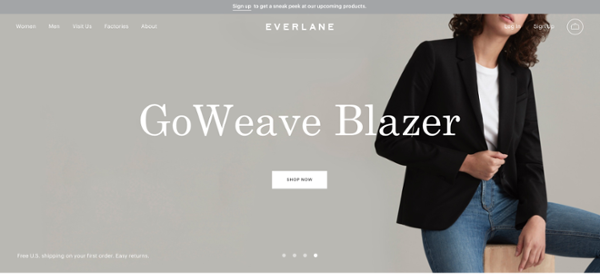
Everlane’s website is a perfect blend of simplicity and honesty. From the moment you land on the homepage, everything feels transparent.
The brand uses clean layouts, neutral colors, and real product photography. Pricing, materials, and ethical sourcing are clearly explained without overwhelming the visitor. These business website examples prove that clarity and trust can sell better than flashy design.
3. E-commerce Store – Allbirds
Allbirds focuses on sustainability, comfort, and storytelling. The website uses soft colours, simple product descriptions, and strong visuals to highlight its eco-friendly mission.
The website focuses heavily on sustainability while keeping the shopping experience simple. Product benefits are explained in plain language, making the brand feel approachable and trustworthy. It’s a strong example for eco-conscious businesses.
4. Fitness Apparel Brand – Gymshark
Gymshark’s website feels energetic and community-driven.
High-quality lifestyle images, influencer content, and social proof are used effectively. The design pushes urgency without feeling aggressive. This is a great example of how branding and audience understanding can boost conversions.
5. Payment Solutions Brand – Stripe
Stripe turns a complex service into something surprisingly easy to understand.
The website uses clean layouts, simple diagrams, and short explanations to break down technical concepts. Different sections are tailored for startups, enterprises, and developers, showing how segmentation can improve user experience.
6. Hospitality Marketplace – Airbnb
Airbnb’s website balances emotion and functionality beautifully.
Large images create desire, while smart search features make booking easy. Trust elements like reviews and host profiles are woven naturally into the experience, making users feel safe and confident.
7. Beauty Brand – Glossier
Glossier blends e-commerce with community-driven content. Customer photos, reviews, and social proof are integrated throughout the site. User-generated content builds trust and authenticity.
Product pages are easy to understand, with clear benefits and honest reviews. This site is a great example of how simplicity and authenticity can build strong customer loyalty.
8. Creative Platform – Webflow
Webflow practices what it preaches. The website itself feels like a live demo of the platform’s capabilities.
Bold typography, interactive elements, and smooth animations grab attention instantly. At the same time, the content remains easy to follow, guiding designers, developers, and businesses to the right solutions without confusion.
9. Technology Brand – Apple
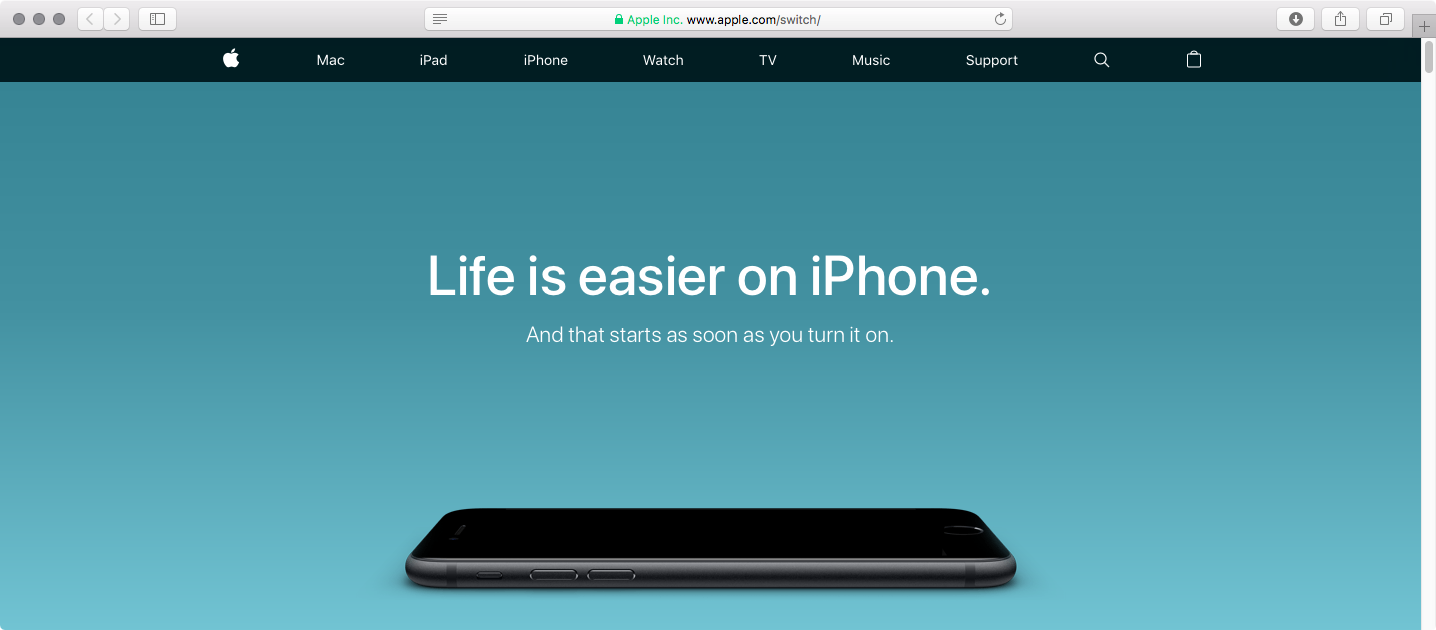
Apple’s website is iconic for a reason. Every page feels like a guided experience rather than a sales pitch.
Large visuals, minimal text, and smooth transitions allow products to speak for themselves. Instead of listing features, Apple focuses on benefits and emotions. It’s a masterclass in premium branding and storytelling.
10. Consulting Website – IDEO
IDEO’s website focuses on thought leadership, case studies, and insights. It positions the brand as an authority rather than a sales-focused business. Educational content builds long-term credibility.
Clear navigation, strong case studies, and insight-driven content position IDEO as a trusted leader in consulting and design thinking.
Key Elements of a Successful Business Website
Across these business website examples, some common features stand out:
- Clear navigation and structure
- Strong branding and consistent visuals
- Mobile-friendly and fast-loading design
- Clear calls to action (CTAs)
- Trust signals like reviews or case studies
Including these elements can significantly improve your performance through business website examples.
Simple Steps to Apply These Ideas to Your Own Website
You don’t need to copy these business website examples exactly. Instead:
- Adapt layouts that fit your audience
- Use branding that reflects your business values
- Focus on clarity over complexity
- Guide users toward one main goal per page
Inspiration should help you how to make a website that must be unique, not identical.
Common Mistakes to Avoid
- Overloading pages with text
- Confusing navigation menus
- Weak or unclear calls to action
- Inconsistent branding
- Ignoring mobile users
Steering clear of these mistakes is just as important as applying best practices.
FAQs
1. What makes a business website successful?
A successful business website has clear messaging, strong branding, fast loading speed, mobile responsiveness, and clear calls to action.
2. How many pages does a business website really need?
Most business websites need at least a homepage, about page, services or products page, and a contact page. Blogs and e-commerce sites may need more.
3. Can Small Businesses Compete with Big Brands Online Successfully?
Yes. With clear positioning, good design, and quality content, small businesses can build trust and compete effectively.
4. How often should a business website be updated?
Content should be reviewed every few months, while blogs can be updated weekly or monthly to improve SEO.
5. Do business websites really help increase sales?
Yes. A well-designed website builds credibility, improves visibility, and guides visitors toward purchasing or contacting your business.
Final Thoughts
These 10 best business website examples show that great websites balance design, usability, and branding. No matter your industry, strong business website examples can elevate your brand, attract customers, and drive growth. Use these examples as inspiration and build a website that truly represents your business.