
Building strong backlinks is one of the most effective ways to boost your website’s authority, and this is exactly where Off-Page SEO comes in. Although it operates outside your website, it plays a significant role in enhancing search rankings and online visibility. In this guide, you’ll learn simple, proven, and beginner-friendly Off-Page SEO techniques that help you earn high-quality backlinks. Moreover, each strategy is explained clearly, allowing you to apply it easily and achieve real results.
What Is Off-Page SEO?
Off-Page SEO refers to all actions taken outside your website to improve rankings. It includes earning backlinks, increasing brand signals, and building online authority. Although it happens off your site, it strongly influences how search engines view your credibility.
Why Off-Page SEO Matters Today
Today, search engines focus heavily on trust and authority. Therefore, Off-Page SEO plays a major role in helping your site stand out in competitive niches. When other websites link to you, it shows that your content is valuable. As a result, your site becomes more visible and gains higher ranking potential.
Types of Backlinks You Should Know
1. Natural Backlinks
Natural backlinks happen when people link to your content without asking. They often come from high-quality posts, guides, or resources that solve real problems.
2. Manual Backlinks
Manual backlinks are earned through outreach. For example, asking bloggers or brands to link to your helpful content is a common way to build them.
3. Self-Created Backlinks
These are backlinks you create yourself, such as through forum profiles, comments, or directory listings. However, they should be used carefully to avoid spam.
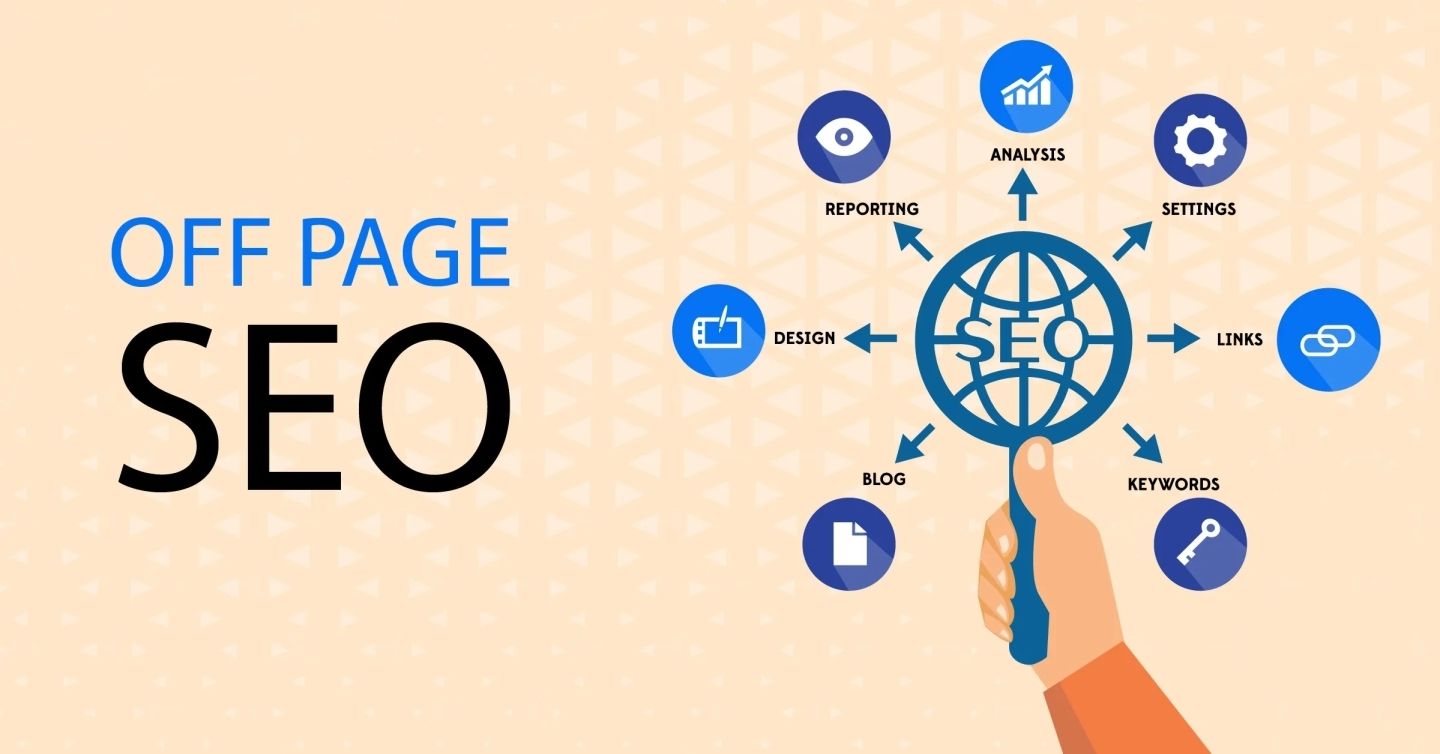
Off-Page SEO Techniques for Strong Backlinks
1. Social Bookmarking
Social bookmarking helps your content get indexed faster and improves reach. Platforms like Mix or Folkd allow users to save and share their links.
2. Social Media Sharing
Sharing your content on social platforms increases visibility. Additionally, it helps you attract natural backlinks when users find your content valuable.
3. Image Submission
Submitting images to popular platforms with proper alt text and descriptions boosts visibility and referral traffic. It also supports Off-Page SEO with safe backlinks.
4. Blog Submission
Publishing high-quality blog posts on reputable platforms can help you earn relevant backlinks and reach a wider audience.
5. Q&A Participation
Answering questions on platforms like Quora builds trust. Consequently, users may click your links and visit your website, improving engagement.
6. Doc Sharing
Sharing documents such as PDFs or presentations on doc-sharing sites increases your chances of earning good-quality backlinks.
7. Video Submission
Uploading videos to platforms like YouTube or Vimeo enhances brand visibility and allows you to add backlinks in descriptions.
8. Article Submission
Submitting well-written articles to trusted websites helps create contextual, niche-relevant backlinks.
9. Content Submission
Sharing guides, resources, or infographics on content-sharing websites increases exposure and can lead to natural backlinks.
10. Forum Submission
Participating in niche forums allows you to build authority, offer value, and attract visitors who may link to your content.
11. Infographics Submission
Infographics are highly shareable. When others use your infographic, they often link back to your website as the source—strengthening your Off-Page SEO.
12. Press Release Submission
Submitting press releases to high-authority news platforms helps you gain strong backlinks, boost brand credibility, and increase referral traffic.
What to Avoid in Off-Page SEO
- Toxic Backlinks
Avoid links from spammy or irrelevant sites. These can negatively affect your Off-Page SEO and may lead to penalties.
- Over-Optimized Anchor Text
Using one keyword repeatedly in anchor text looks unnatural. Therefore, vary your wording to keep your backlink profile safe.
- Link Farms and Paid Backlinks
Link farms, automated links, and cheap paid backlinks may seem tempting. However, they do more harm than good and damage long-term authority.
How to Track and Measure Backlink Performance
To measure your backlink success, use seo checker tools like Ahrefs, Moz, or Google Search Console. Check your domain authority, the number of new links, and the relevance of referring sites. Additionally, monitor traffic and rankings to see improvement over time. This helps you understand whether your Off-Page SEO efforts are working effectively.
FAQs
1. Is Off-Page SEO more important than On-Page SEO?
Both are important, but Off-Page SEO boosts authority and trust, which strongly influences rankings.
2. How long does it take to see results?
It usually takes a few weeks to months, depending on your niche and strategy.
3. Which technique gives the fastest results?
Guest posting and broken link building often show results sooner than other methods.
4. Can social media improve Off-Page SEO?
Yes, indirectly. It increases reach, visibility, and the chances of earning natural backlinks.
Conclusion
Effective Off-Page SEO is essential for building authority, earning quality backlinks, and improving search visibility. Although it takes time, consistent effort leads to long-lasting results. Focus on high-quality methods, avoid harmful practices, and track your progress regularly. Start using these Off-Page SEO techniques today and build stronger backlinks for better rankings.