
SEO optimization is the foundation of higher search engine rankings and long-term organic traffic growth. If your website is not optimized correctly, even high-quality content can struggle to appear on search engine results pages. Therefore, understanding how SEO optimization works — and how to apply it properly — can make a real difference in your website’s visibility and performance.
In this guide, you’ll learn practical, beginner-friendly steps to do SEO optimization the right way, so your website can rank higher and attract the right audience consistently.
What Is SEO Optimization?
SEO optimization refers to improving your website so search engines can understand, rank, and display it more effectively. It involves optimizing content, structure, speed, and links. As a result, your website becomes more visible to users searching for relevant topics. Moreover, good SEO improves user experience, which search engines now consider a major ranking factor.
Why Does SEO Optimization Matter For Ranking
SEO optimization is the process of enhancing your website so that search engines can understand, trust, and rank it higher. Think of search engines as librarians. If your book is well-organized, clearly labeled, and genuinely useful, it is more likely to be recommended.
Why does this matter? Most users rarely go beyond the first page of search results, making top rankings crucial for visibility and clicks. Ranking higher means more visibility, more clicks, and more opportunities to grow.
How Search Engines Actually Work
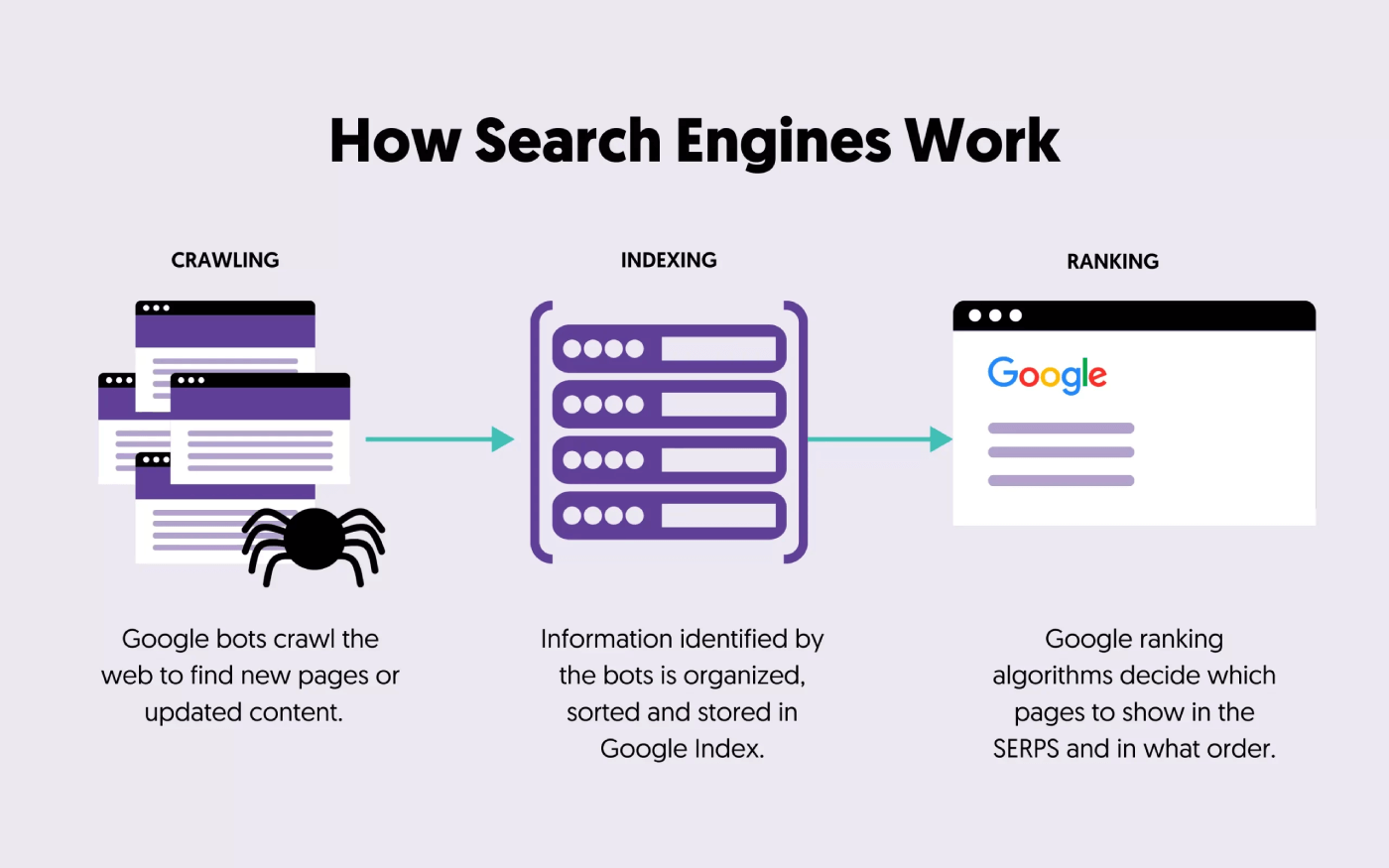
Search engines work in three simple stages:
- Crawling: Bots scan your website.
- Indexing: Pages are stored and categorized.
- Ranking: Search engines display pages based on their relevance and overall quality.
SEO optimization ensures your website performs well at every stage—like training for a marathon instead of showing up unprepared.
Understanding the Role of Keywords in SEO Optimization
Keywords connect what users are searching for with the content, products, or services you provide. Using the right keyword, like seo optimization, helps search engines match your content to user queries.
Primary Keywords vs Secondary Keywords
- Primary keyword: Main focus of the page (e.g., seo optimization)
- Secondary keywords: Supporting phrases that add context
Using both naturally improves relevance without sounding robotic.
Search Intent Explained Simply
Search intent answers one question: What does the user really want?
Is it information, a product, or a solution? Matching intent is the secret sauce of modern SEO.
Step-by-Step SEO Optimization Strategy
Let’s get practical. Here’s how to do SEO optimization the right way.
1. Start With Keyword Research
Keyword research is the backbone of SEO optimization. First, identify keywords your audience is already searching for. Then, choose terms with good search volume and realistic competition.
Always place your focus keyword naturally in:
- The first paragraph
- Headings
- Meta title and description
- Image alt text
This approach helps search engines understand your content without keyword stuffing.
2. Optimize Your Website Content
High-quality content is essential for SEO. However, content must be optimized — not just written well.
Make sure your content:
- Solves a specific problem
- Uses short paragraphs and simple language
- Includes transition words for better flow
- Covers the topic thoroughly
Additionally, update old content regularly to maintain rankings.
3. Improve On-Page SEO Elements

On-page SEO is essential for improving your website’s rankings and helping search engines understand your content. Therefore, focus on optimizing:
- Title tags with your main keyword
- Meta descriptions under 160 characters
- Headings (H1–H3) for structure
- Image alt tags for accessibility and SEO
Each page should target one main keyword to avoid confusion for search engines.
4. Optimize Website Speed and Mobile Experience
Website speed directly affects SEO optimization. If your site loads slowly, users leave — and rankings drop.
To improve performance:
- Compress images
- Use a clean theme
- Enable browser caching
- Ensure mobile responsiveness
Since most users browse on mobile devices, a mobile-friendly site is no longer optional.
5. Use Internal Linking Strategically
Internal linking improves how search engines crawl and understand your website while keeping visitors engaged longer. At the same time, it keeps users engaged longer.
For example, linking related blog posts naturally within your content helps distribute authority and improves overall SEO performance. Make sure anchor text flows naturally within sentences rather than standing out unnaturally.
6. Build High-Quality External Links
External links signal trust and credibility. Therefore, link to authoritative sources that support your content. Additionally, earning backlinks from reputable websites improves your domain authority over time.
However, quality always matters more than quantity when it comes to link building.
7. Track Performance and Optimize Regularly
SEO optimization is not a one-time task. Instead, it requires continuous improvement.
Track your website’s performance using tools like Google Search Console and analytics platforms to:
- Monitor rankings
- Identify traffic drops
- Fix technical issues
- Improve underperforming pages
Over time, small optimizations lead to significant ranking improvements.
Common SEO Optimization Mistakes to Avoid

Even strong websites fail to rank due to simple mistakes. Therefore, avoid:
- Keyword stuffing
- Ignoring mobile users
- Duplicate content
- Missing meta descriptions
- Poor internal linking
Fixing these issues alone can improve rankings noticeably.
FAQs
1. How should you begin SEO optimization for your website?
The best way to start SEO is with keyword research and on-page SEO. Once your content is optimized, focus on technical improvements and internal linking.
2. How long does it take for SEO optimization to start showing results?
SEO optimization usually takes 3 to 6 months to show noticeable improvements. However, consistent effort delivers long-term benefits.
3. Can SEO work for small websites?
Yes, SEO optimization works for websites of all sizes. In fact, small websites can rank faster by targeting low-competition keywords.
4. Is SEO optimization better than paid ads?
SEO optimization provides long-term organic traffic, while paid ads stop working once you stop paying. Ideally, both should work together.
5. Is keyword density still important in SEO optimization?
No. Natural usage and relevance matter more.
Conclusion
SEO optimization is a powerful strategy for ranking your website higher and attracting consistent organic traffic. By focusing on keywords, content quality, technical performance, and internal linking, you create a website that both users and search engines trust. Take SEO step by step, stay consistent, and keep improving — because long-term rankings are built, not rushed.