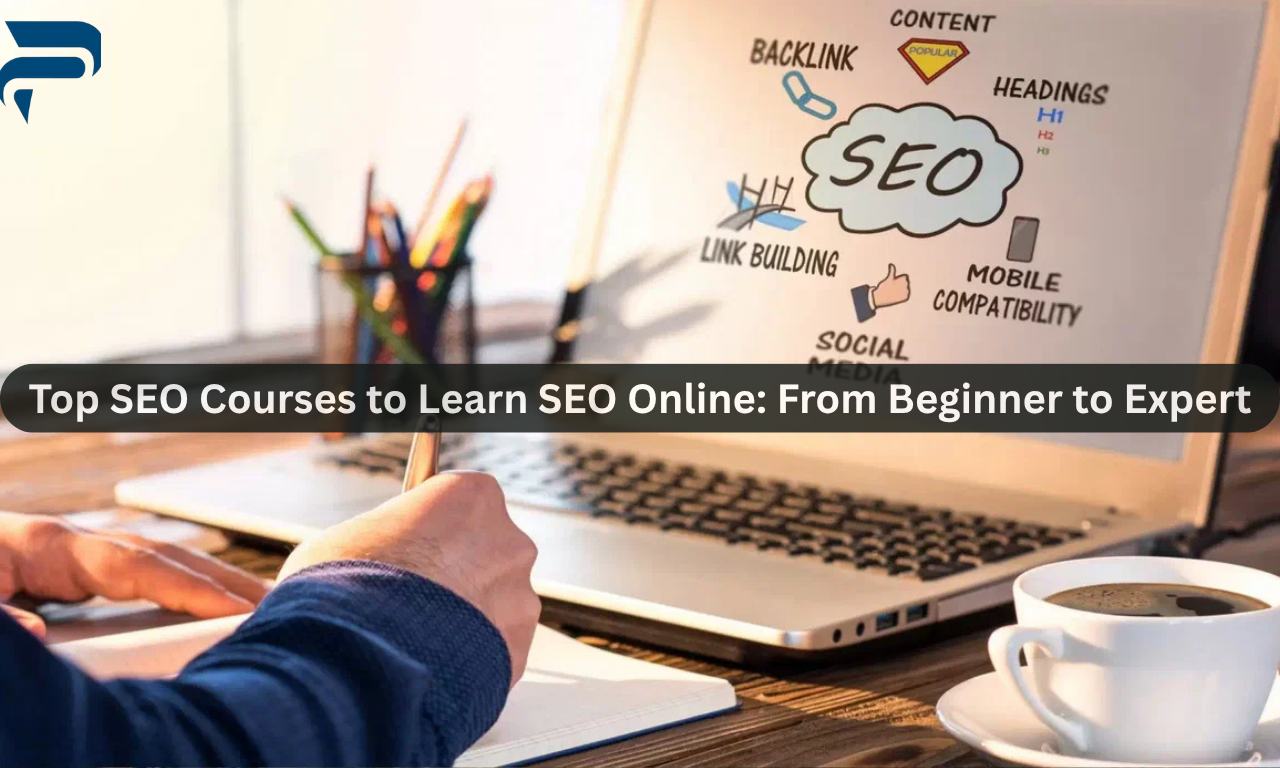
In the ever-evolving world of digital marketing, SEO is the backbone of online visibility. Without a strong SEO strategy, even the most engaging content can get lost in the sea of search results. Learning SEO online is not just convenient; it’s strategic. It equips you with up-to-date skills, practical knowledge, and the ability to adapt to changing algorithms. Whether you’re a beginner aiming to understand the basics or an experienced marketer aiming to master advanced techniques, SEO courses provide structured learning paths for all levels.
What is SEO and Why It Matters
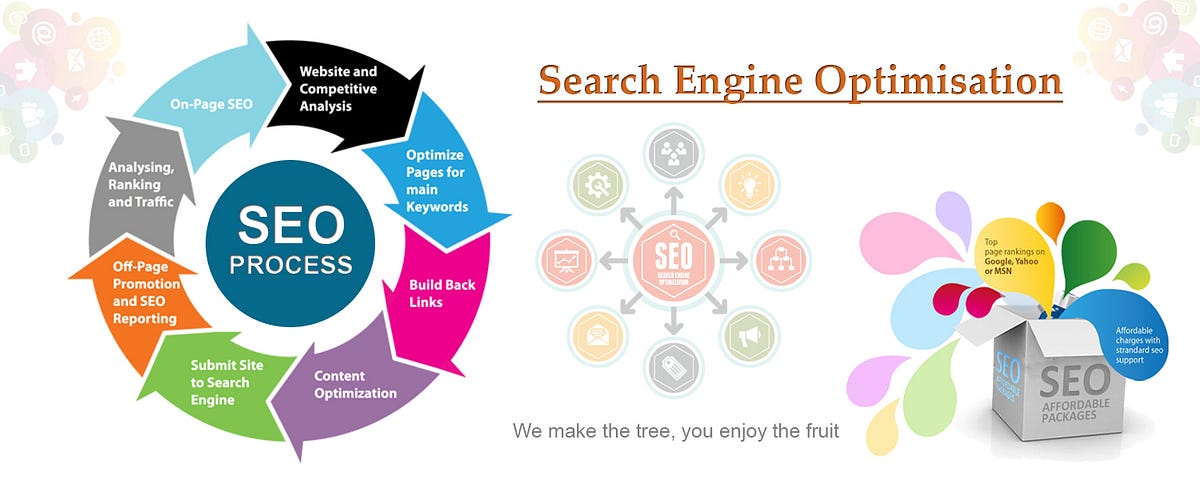
SEO, or Search Engine Optimization, is a combination of strategies, tools, and techniques aimed at improving a website’s visibility in search engine results pages (SERPs). A high-ranking site attracts more traffic, builds credibility, and boosts conversions. SEO is broadly divided into three pillars:
1. On-page SEO: Optimizing content, headings, meta tags, images, and internal links to align with target keywords.
2. Off-page SEO: Building backlinks, social media signals, and authority in the niche.
3. Technical SEO: Enhancing website structure, page speed, mobile-friendliness, indexing, and schema markup.
Without mastering these areas, your website may struggle to reach its target audience, making SEO training essential.
Levels of SEO Learning
SEO learning can be broken into three stages, allowing learners to progress from basic concepts to advanced strategies.
1. Beginner-Level SEO Courses
These courses focus on the fundamentals:
- Understanding how search engines work
- Basic keyword research and integration
- Content optimization strategies
- Intro to link building
- Understanding SEO metrics and reporting
Courses like Google SEO Fundamentals and HubSpot SEO Certification fall into this category.
2. Intermediate-Level SEO Courses
Intermediate courses introduce practical strategies and tools:
- Technical SEO essentials (site architecture, structured data, indexing)
- Advanced keyword research and competitor analysis
- On-page optimization for blogs, e-commerce, and business websites
- Analytics tracking using Google Analytics and Search Console
- Local SEO strategies
Examples include Semrush Academy SEO Toolkit and Yoast Academy Premium Courses.
3. Advanced/Expert-Level SEO Courses
Advanced courses are designed for those looking to dominate search results:
- Enterprise SEO strategies
- Programmatic SEO
- Data-driven SEO and AI integration
- Advanced link-building and content promotion strategies
- CRO (Conversion Rate Optimization) and SEO synergy
Courses like Simplilearn Advanced SEO Program and ClickMinded SEO Course target expert-level learners.
Top SEO Courses to Learn SEO Online: Deep Analysis
Here’s an in-depth look at the top courses that will take you from beginner to expert.
1. Google SEO Fundamentals (Coursera)
- Level: Beginner
- Duration: 4–6 weeks (self-paced)
- Highlights: Covers search engine algorithms, keyword research, on-page optimization, link-building basics, and analytics.
- Why it’s great: Hands-on exercises using Google tools, credibility with a Coursera certificate.
2. HubSpot SEO Certification
- Level: Beginner
- Duration: ~3–4 hours
- Highlights: SEO fundamentals, content strategy, keyword planning, and on-page and off-page basics.
- Why it’s great: Free course, beginner-friendly, and widely recognized by marketers globally.
3. Semrush Academy SEO Toolkit Course
- Level: Intermediate
- Duration: 6–8 hours
- Highlights: Keyword research, competitive analysis, backlink strategy, and using Semrush tools for SEO audits.
- Why it’s great: Practical, tool-oriented training with quizzes and real-world examples.
4. Yoast SEO Training Academy
- Level: Beginner to Intermediate
- Duration: 5–10 hours, depending on modules
- Highlights: WordPress optimization, content readability, structured data, and internal linking.
- Why it’s great: Perfect for WordPress users and content-focused marketers.
5. Moz SEO Essentials Certification
- Level: Intermediate
- Duration: 6 weeks
- Highlights: In-depth SEO strategy, link-building techniques, technical SEO, and keyword targeting.
- Why it’s great: Highly respected in the industry, a certificate adds credibility to your resume.
6. Udemy SEO Masterclass
- Level: Beginner to Intermediate
- Duration: 12–15 hours
- Highlights: Full SEO workflow, on-page and off-page techniques, technical SEO, and site audits.
- Why it’s great: Affordable, flexible, includes real-life case studies.
7. LinkedIn Learning – SEO Foundations
- Level: Beginner
- Duration: 3–5 hours
- Highlights: Basic SEO principles, content optimization, keyword research, and simple analytics.
- Why it’s great: Quick, easy-to-follow, and suitable for professionals looking to upskill.
8. Simplilearn Advanced SEO Program
- Level: Expert
- Duration: 6 months (part-time)
- Highlights: Technical SEO, enterprise strategies, analytics, programmatic SEO, and CRO.
- Why it’s great: Structured learning for professionals wanting in-depth expertise.
9. ClickMinded SEO Course
- Level: Expert
- Duration: Self-paced
- Highlights: Growth-oriented strategies, backlinking, SEO audits, and analytics tracking.
- Why it’s great: Taught by a former Google SEO expert, ideal for career-focused learners.
10. Ahrefs Blogging for Business
- Level: Intermediate to Expert
- Duration: 6–8 hours
- Highlights: Keyword research, content optimization, link-building, and growth strategies for blogs.
- Why it’s great: Focuses on practical SEO for content marketing with Ahrefs tools.
How to Choose the Right SEO Course for You
When selecting an SEO course:
- Assess your skill level – beginner, intermediate, or expert.
- Check for certification – adds credibility.
- Look for hands-on exercises – practical implementation is key.
- Ensure up-to-date content – SEO changes rapidly.
- Consider your budget and time availability – some courses are free; others are paid and comprehensive.
Benefits of Learning SEO Online
- Learn at your own pace from anywhere
- Access to updated, algorithm-aligned content
- Affordable or free options
- Opportunity to earn certificates and boost career
- Practical exposure to tools and strategies
Tools and Resources for Practicing SEO
- Google Analytics & Search Console – monitor traffic, track keywords.
- Ahrefs, SEMrush, Moz – for competitive analysis and link-building.
- Yoast & Rank Math Plugins – for WordPress SEO optimization.
- Ubersuggest & Keyword Planner – keyword research tools.
Hands-on practice alongside courses accelerates learning.
Common Mistakes to Avoid While Learning SEO
- Ignoring hands-on practice
- Overloading on theory without implementation
- Copying others’ strategies blindly
- Neglecting technical SEO
- Forgetting to monitor analytics and adjust strategies
FAQs
1. Can I become an SEO expert online?
Yes, with consistent learning, hands-on practice, and advanced courses, you can reach an expert level.
2. Which SEO course is best for bloggers?
Ahrefs Blogging for Business and Yoast SEO Academy are ideal for content creators.
3. Are free courses enough?
For basics, yes. But advanced SEO strategies require paid courses for depth and credibility.
4. How long does it take to learn SEO?
Basics: 1–2 months, Intermediate: 3–6 months, Expert: 6–12 months with practice.
5. Do I need coding skills for SEO?
Not mandatory, but basic HTML and CSS knowledge enhances technical SEO understanding.
Conclusion
SEO is a must-learn skill for anyone navigating the digital landscape. From free beginner-friendly courses like HubSpot and Google Fundamentals to expert-level programs like Simplilearn and ClickMinded, there’s a course for everyone. Combining structured learning with hands-on practice ensures mastery and long-term success. Contact us today and transform your website or career into a search engine powerhouse!