Imagine opening a shop in the middle of a desert with no signboard, no directions, and no promotion. That’s exactly what having a website without SEO feels like. SEO, or Search Engine Optimization, is the process of making your website visible to people who are actively searching for what you offer.
In today’s digital-first world, ranking on search engines isn’t a luxury—it’s survival. Whether you run a small local business or a global brand, understanding the different types of SEO can be the difference between being found and being forgotten.
How SEO Has Evolved Over the Years
SEO didn’t always look like it does today. Earlier, stuffing keywords and building random links could get you to the top. But search engines got smarter. Now, SEO is about relevance, experience, trust, and value. Algorithms focus on users, not tricks. That’s why knowing types of SEO and how they work together is more important than ever.
In this guide, we’ll break down each types of SEO clearly, explain its purpose, and show how they work together to improve website visibility and organic traffic.
Understanding the Types of SEO
At its core, there are different types of SEO. Think of them as the legs of a table—remove one, and everything collapses.
1. On-Page SEO
On-page SEO improves your website’s content and structure for better search engine visibility and user experience. It ensures that search engines understand your content while users enjoy a smooth reading experience. Key elements of on-page SEO include:
- Optimized title tags and meta descriptions
- Proper use of headings (H1, H2, H3)
- Keyword placement in content
- Internal linking
- Image alt text
When done correctly, on-page SEO helps search engines identify what your page is about and improves your chances of ranking for relevant searches.
2. Off-Page SEO
Off-page SEO involves strategies outside your website that help build authority, credibility, and trust with search engines. It mainly focuses on how other websites view your content. Common off-page SEO techniques include:
- Backlink building
- Social media sharing
- Brand mentions
- Guest posting
3. Technical SEO
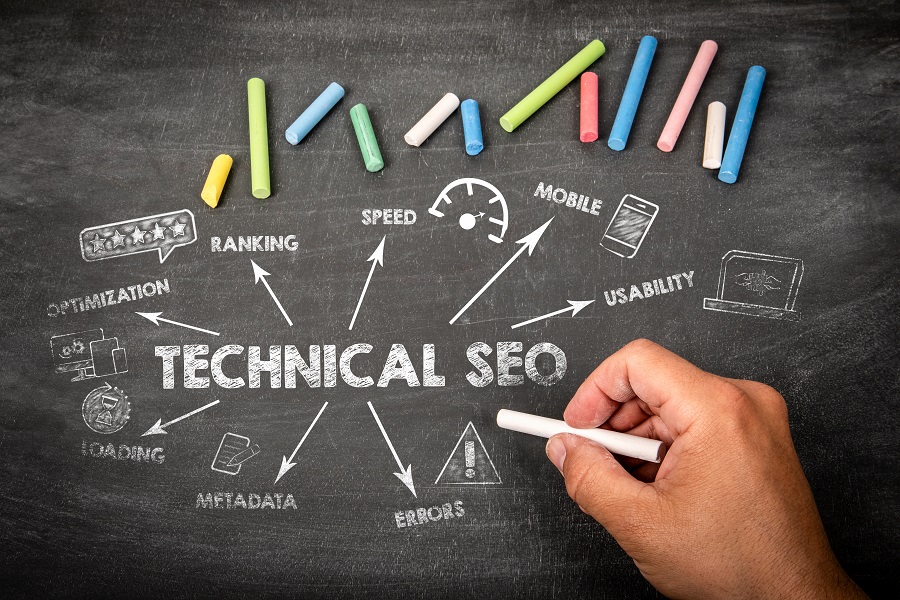
Technical SEO makes your website easy for search engines to crawl, index, and understand. Even the best content can fail if technical issues exist. Important aspects of technical SEO:
- Fast page loading speed
- Mobile-friendly design
- Secure HTTPS connection
- XML sitemaps
- Clean site structure
Technical SEO creates a strong foundation that allows all other SEO efforts to work effectively.
4. Local SEO
Local SEO helps businesses appear in location-based searches, especially for users looking for nearby services. It includes:
- Google Business Profile optimization
- Local keywords
- Consistent NAP (Name, Address, Phone)
- Customer reviews
Local SEO is essential for businesses targeting customers in specific cities or regions.
5. Content SEO
Content SEO focuses on creating valuable, relevant, and informative content that satisfies user intent. This type of SEO involves:
- Keyword research
- Writing high-quality blog posts
- Answering user questions
- Maintaining readability
When content SEO is done right, it naturally attracts traffic and encourages users to stay longer on your site.
6. Mobile SEO
Mobile SEO ensures your website functions smoothly and ranks well on smartphones and tablets. Since Google uses mobile-first indexing, this type of SEO is more important than ever. Mobile SEO includes:
- Responsive design
- Fast mobile loading speed
- Easy navigation
A mobile-optimized site improves both rankings and user experience.
7. E-Commerce SEO
E-commerce SEO focuses on optimizing online stores to improve the ranking of product and category pages. Key areas include:
- Product descriptions
- Category optimization
- Structured data
- User reviews
This type of SEO helps drive targeted buyers to your online store.
8. International SEO
International SEO helps websites target users in different countries or languages. It ensures that the right version of your site appears in search results based on location and language. It includes:
- Hreflang tags
- Country-specific domains or subfolders
- Language targeting
- Localized content
International SEO is essential for businesses that operate globally or serve multilingual audiences.
9. Voice Search SEO
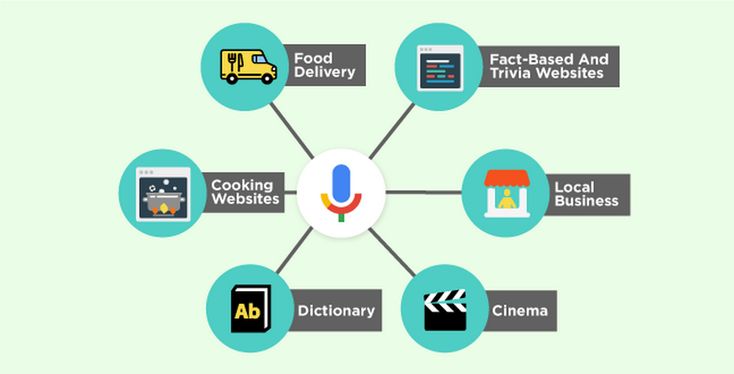
Voice Search SEO focuses on optimizing content for voice-based queries made through devices like Google Assistant, Siri, and Alexa. Key practices include:
- Using conversational keywords
- Answering questions clearly
- Optimizing for featured snippets
- Improving page speed
Since voice searches are often longer and more natural, this type of SEO helps capture users searching hands-free.
10. Image and Video SEO
Image and Video SEO improves the visibility of visual content in search results, including Google Images and video platforms. This type of SEO involves:
- Descriptive file names
- Optimized image alt text
- Compressed file sizes
- Video titles and descriptions
- Structured data for media
Image and video optimization enhances user engagement and brings additional organic traffic.
11. White Hat vs Black Hat SEO
White Hat SEO
White Hat SEO follows search engine rules and focuses on:
- High-quality content
- Natural backlinks
- Good user experience
It delivers long-term and sustainable results.
Black Hat SEO
Black Hat SEO uses manipulative tactics such as:
- Keyword stuffing
- Cloaking
- Spam backlinks
While it may give short-term gains, it often leads to penalties or ranking drops.
How Different Types of SEO Work Together
SEO performs best when all its types work together in harmony. Technical SEO lays the foundation, on-page SEO delivers value, and off-page SEO builds trust. Ignoring one weakens the entire strategy. Think of types of SEO as a team sport—every player matters. Together, they create a strong and sustainable SEO strategy.
Common SEO Mistakes to Avoid
- Focusing only on keywords, not intent
- Ignoring technical issues
- Building low-quality backlinks
- Forgetting mobile users
- Publishing thin or duplicate content
Avoiding these mistakes keeps all types of SEO strategies future-proof.
FAQs
1. How many types of SEO are there?
There are three core types—on-page, off-page, and technical SEO—along with advanced and specialized types like local, mobile, and content SEO.
2. Which type of SEO is most important?
All types are important. However, technical SEO is foundational, while content-driven on-page SEO drives most organic traffic.
3. Is local SEO different from traditional SEO?
Yes, local SEO focuses on geographic searches and includes Google Business Profile optimization and local citations.
4. Can I do SEO without backlinks?
You can rank to some extent, but backlinks significantly improve authority and competitiveness.
5. How long does SEO take to show results?
SEO is a long-term strategy. Results typically appear within 3 to 6 months, depending on competition and how consistently SEO is applied.
Conclusion
Understanding the different types of SEO is essential for building a strong online presence. From on-page and off-page SEO to technical, local, and advanced strategies, each type plays a unique role. When combined correctly, they create a powerful system that drives traffic, builds credibility, and delivers long-term results. SEO isn’t about shortcuts—it’s about consistency, quality, and value.