
Let’s face it—websites are everywhere. From ordering food to booking flights or running a business, everything starts with a website. But have you ever wondered what actually goes into building one? That’s where what is website development comes in and how it helps turn ideas into functional, interactive, and user-friendly websites that people can access anytime, anywhere.
Website development isn’t just for tech geeks. Entrepreneurs, marketers, freelancers, bloggers, and even students can benefit from understanding how websites work. In this complete beginner’s guide, you’ll learn what is website development , how it works, its main stages, types, tools, and why it matters for businesses and individuals today.
What is Website Development?
Website development covers the creation, development, and ongoing maintenance of websites. It involves writing code, designing layouts, managing databases, and ensuring everything runs smoothly behind the scenes.
However, website development is not just about making a site look good. It also focuses on how a website functions, loads, responds to users, and stays secure. As a result, a well-developed website delivers a better user experience and stronger online presence.
How Website Development Works
Website development follows a structured process. Although the complexity may vary, the core workflow usually remains the same.
First, developers understand what is website development the website’s purpose and goals. Next, they design the layout and structure. After that, they write code, test functionality, and finally launch the website online. Over time, updates and maintenance keep the site running smoothly.
Because each step builds on the previous one, proper planning is essential for successful website development.
Website Development vs Web Design
Although often confused, website development and web design are different.
Web design is all about creating a website’s visual style and user experience. What is website development, on the other hand, brings those designs to life through code and functionality. Both work together, but development ensures everything works correctly. Design is the look; development is the engine.
Types of Website Development
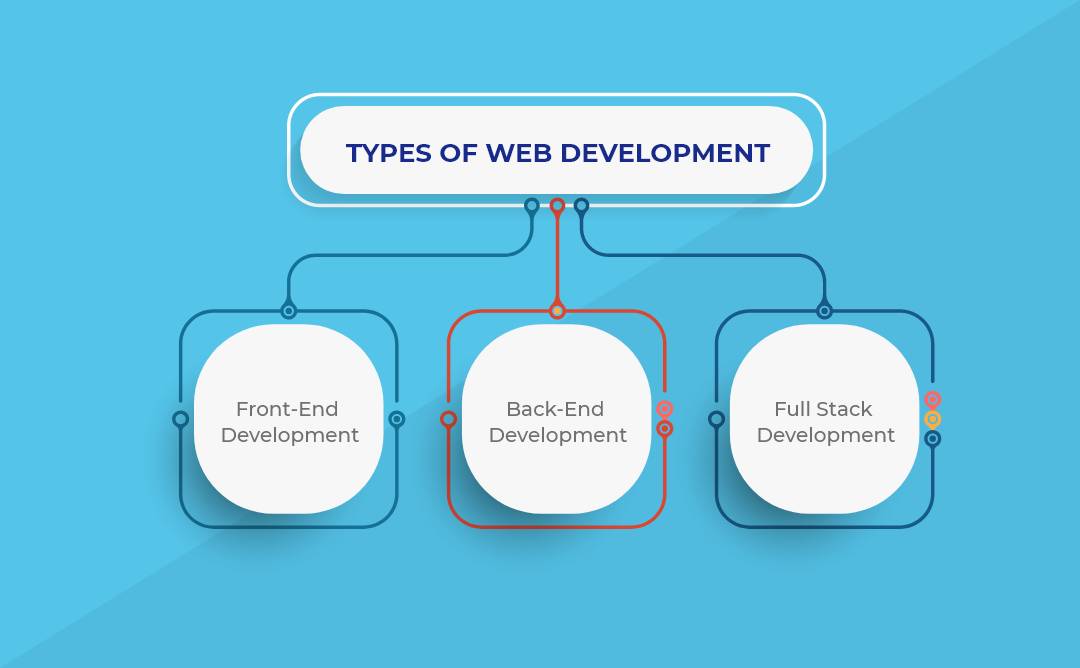
1. Front-End Development
Front-end development handles everything users see and interact with on a website. It includes layouts, buttons, images, and animations. Everything you click on a website is part of the front end. It uses technologies like HTML, CSS, and JavaScript to build layouts and interactive elements.
2. Back-End Development
Back-end development happens behind the scenes. Back-end development handles the server, database, and application logic of a website. It ensures data is processed correctly and securely behind the scenes. When you log in or submit a form, the back end makes sure your data is processed correctly.
3. Full-Stack Development
Full-stack developers handle both front-end and back-end development, making them versatile in managing complete web projects. Think of them as all-rounders who can build a complete website from scratch.
Core Components of Website Development
Domain Names – A domain name is your website’s address on the internet, such as yourbusiness.com. It’s how people find you online.
Web Hosting – Web hosting provides the space and resources needed to keep your website available on the internet.
Website Structure – A good structure helps users and search engines navigate your website easily.
Content and Navigation – Clear menus, readable content, and logical page flow make a website user-friendly and effective.
Main Stages of Website Development
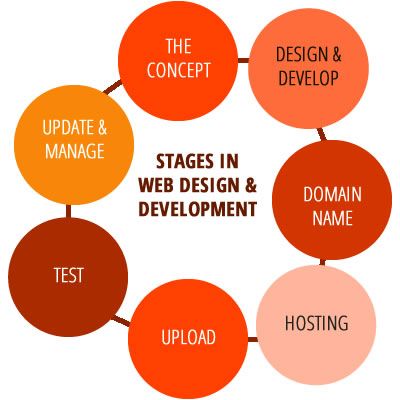
1. Planning and Research
Every successful website starts with a plan. At this stage, goals, target audience, and website requirements are defined. This step helps avoid confusion later and ensures the website meets user needs.
2. Design
Designs and wireframes act like blueprints, showing how the website will look and function. The design phase focuses on layout, colors, typography, and user interface. Here, the goal is to create a visually appealing and easy-to-navigate website.
3. Development
This is where developers write code and bring the website to life. This is where coding begins. Developers turn designs into a working website using programming languages, frameworks, and tools.
4. Testing
Before going live, the website is tested for speed, responsiveness, bugs, and compatibility across devices and browsers.
5. Launch and Maintenance
Websites need regular updates to stay secure, fast, and up to date. Once live, regular updates, website security check, and performance improvements are required to keep the website healthy.
Popular Website Development Technologies
These are the building blocks of website development. HTML creates the page structure, CSS handles styling, and JavaScript makes the website interactive.
Languages like PHP, Python, and Java handle server-side logic and data processing. Databases store information like user details and content, while servers deliver this data to users.
Common Tools Used in Website Development
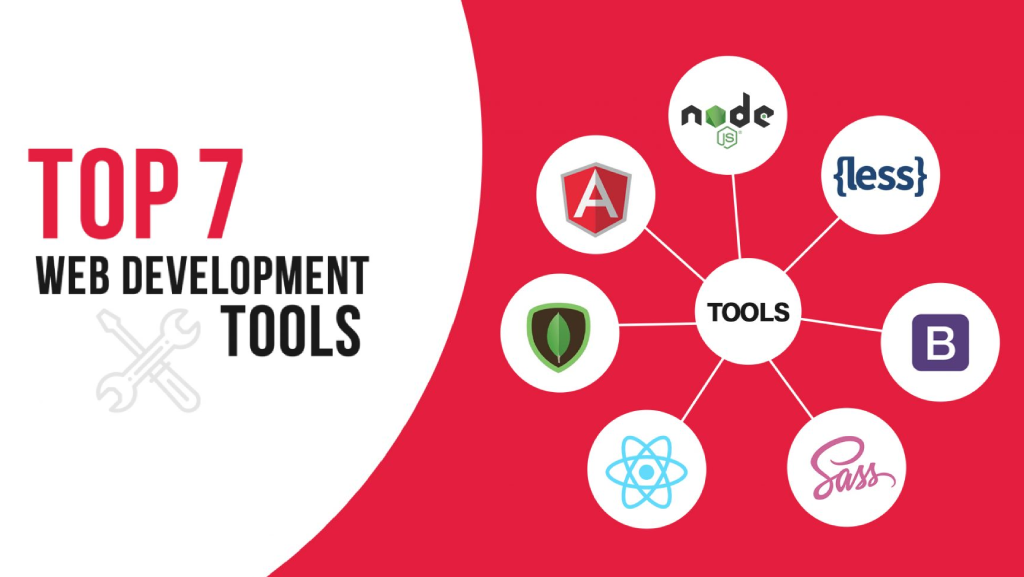
Website developers rely on various tools to improve efficiency and quality, including:
- Code editors (such as VS Code)
- Version control systems (like Git)
- Frameworks and libraries
- Content management systems (such as WordPress)
- Testing and performance tools
Choosing the right tools depends on the project size, goals, and technical requirements.
Why Website Development Is Important
Website development plays a key part in thriving in today’s online landscape. A well-developed website helps build credibility, attract visitors, and convert users into customers.
Moreover, search engines favor fast, secure, and well-structured websites. As a result, proper development directly impacts SEO performance, user trust, and long-term growth.
For businesses, understanding what is website development, which supports branding, marketing, and customer engagement. For individuals, it opens doors to learning, freelancing, and online opportunities.
FAQs
1. What is website development in simple words?
Website development covers designing, building, and managing websites to ensure they perform well online.
2. Is website development hard for beginners?
Website development can seem challenging at first. However, with basic learning and practice, beginners can gradually build skills.
3. How long does website development take?
The time depends on complexity. Simple websites may take days, while advanced projects can take weeks or months.
4. Do I need to know coding to learn website development?
Basic coding knowledge is helpful. However, platforms like WordPress allow beginners to start with minimal coding.
5. Why is website development important for SEO?
Proper website development boosts speed, structure, and usability, helping search engines rank your site higher.
Conclusion
Website development drives the digital world. Whether you’re building a personal blog or a business site, understanding what is website development and how websites work gives you an edge. It connects design, functionality, security, and SEO into a seamless experience. If you’re just starting, take it step by step—every great website begins with a single line of code.